
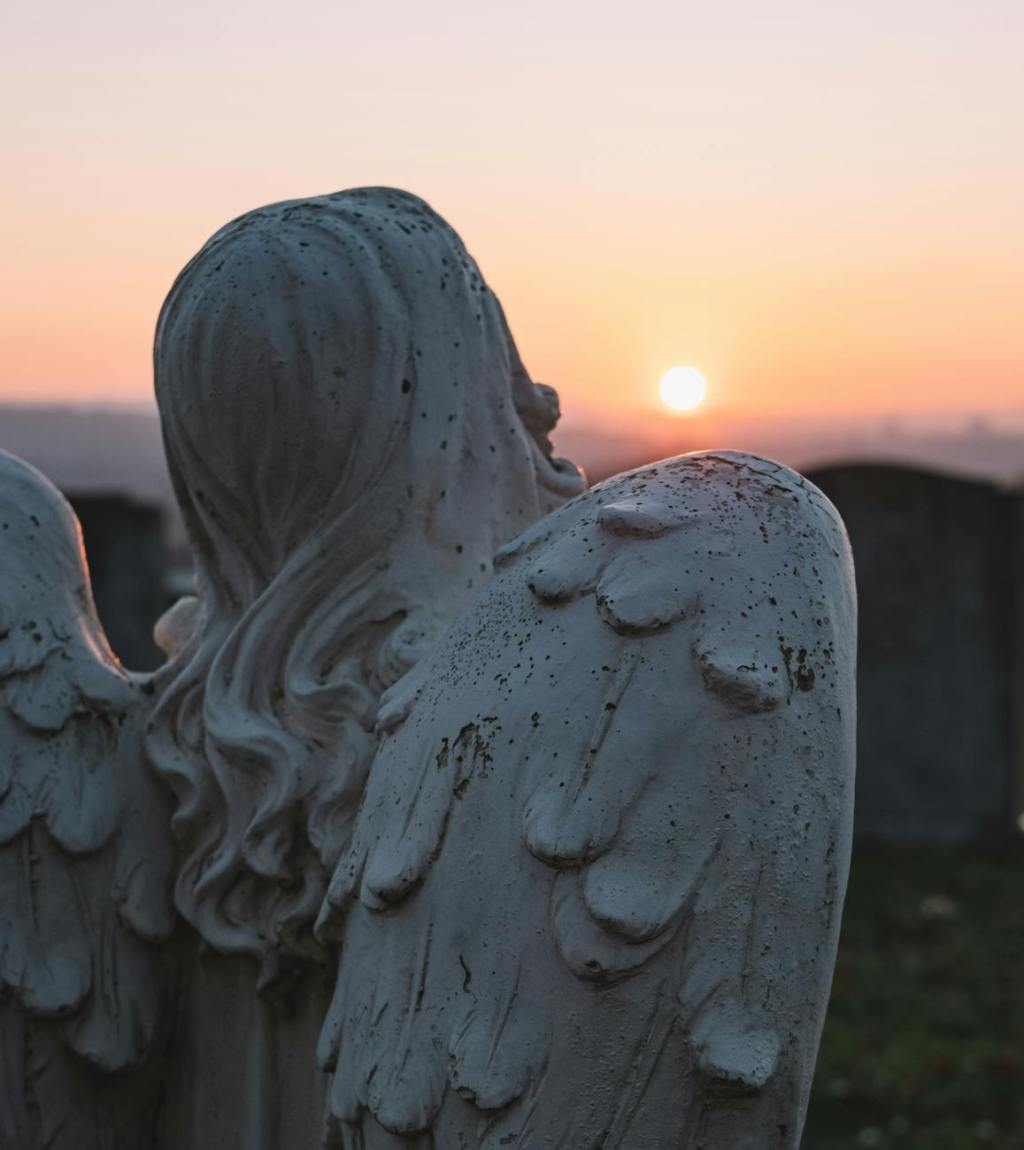
A reflection on John 11:1-45
Resurrection is not instant wholeness. It is a beginning. A process. A communal work.
The story of the raising of Lazarus in the Gospel of John is one of the most emotionally complex moments in all of scripture. It holds grief and hope so tightly together that it can feel almost uncomfortable to sit with.
We begin with loss. Real loss. Jesus arrives too late—at least, that’s how it feels to Mary and Martha. Their brother is dead. The community has gathered. The rituals of mourning are underway. And when Jesus finally appears, Martha greets him not with calm faith, but with a mixture of conviction and ache: “Lord, if you had been here, my brother would not have died.”
That sentence carries so much of what we often feel in grief.
If only.
If only things had been different. If only help had come sooner. If only God had acted the way we hoped.
Grief is rarely neat or purely faithful. It is layered. It is full of love, but also confusion, disappointment, even anger. And this gospel does not rush past that. It honors it.
Then comes one of the shortest and most profound verses in all of scripture: Jesus wept.
Before resurrection, before miracle, before hope breaks open the tomb—there is weeping. Jesus does not stand apart from grief. He enters it. Fully. Honestly. Without explanation.
This matters. Because sometimes in our lives—especially in communities of faith—we feel pressure to move too quickly to hope. To say, “Everything happens for a reason,” or “God will make a way,” before we have truly acknowledged the depth of loss.
But here, Jesus shows us something different: grief is not a failure of faith. It is an expression of love. And God meets us there, not with quick answers, but with presence.
And yet, this is not the end of the story.
Standing at the tomb, Jesus calls Lazarus out. Life emerges where there had been death. Hope interrupts what seemed final.
But even this moment is complex. Lazarus comes out still bound in burial cloths. The community is told, “Unbind him, and let him go.”
Resurrection is not instant wholeness. It is a beginning. A process. A communal work.
And that may be where this story speaks most deeply to us.
Because many of us know what it is to live between grief and hope. We carry losses—of people, of relationships, of expectations, of parts of ourselves. And sometimes hope feels distant, delayed, or even impossible.
This story does not deny that tension. It lives inside it.
It tells us that grief is real and holy; that God does not stand far off from our pain; and that hope, when it comes, may not erase our wounds, but it will begin to transform them.
Perhaps the invitation for us is not to choose between grief or hope, but to allow them to coexist.
To trust that even when we stand at the tomb, even when we say, “Lord, if only…”, God is still at work—sometimes unseen, sometimes delayed, but never absent.
And maybe, like those gathered around Lazarus, we are also called into one another’s healing. To help unbind each other. To make space for grief without rushing it. To speak hope without forcing it.
Because in this story, resurrection is not just something Jesus does—it is something the community participates in.
So wherever you find yourself today—whether closer to the weeping or the calling forth—know this:
You are not alone in your grief.
You are not abandoned in your waiting.
And hope, even if it feels buried, is not gone.
Sometimes it is already on its way, standing just outside the tomb, calling your name.



 the minute monk
Leave a comment