
a reflection given on Good Friday 2026
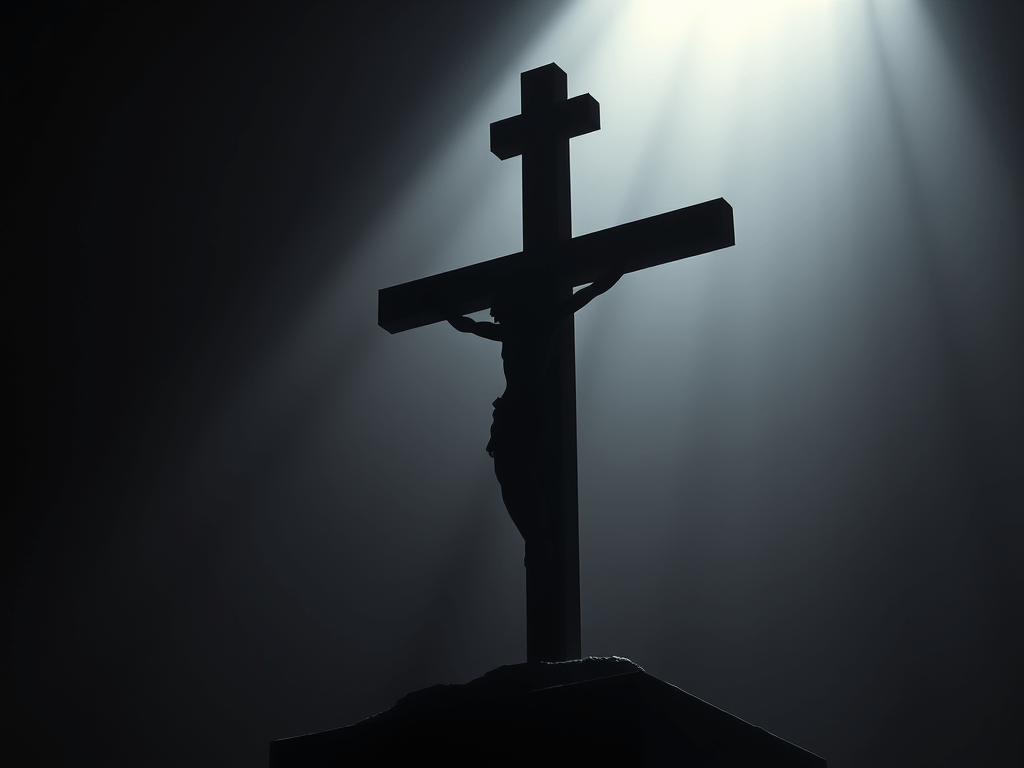
From the cross, Jesus says simply: “I am thirsty.”
It is one of the shortest sentences in scripture. And yet it carries the weight of the world.
Of course, on one level, this is physical. Crucifixion was designed to dehydrate and suffocate. Jesus’ body is failing. His lips are cracked. His tongue is swollen. The Word made flesh now knows the most basic human vulnerability: thirst.
But in John’s Gospel, nothing is ever only physical.
Throughout this Gospel, Jesus has been speaking about thirst. In John 4, with the Samaritan woman at the well, he says, “Give me a drink,” and then promises living water. In John 7, he cries out in the temple, “Let anyone who is thirsty come to me.” And now, at the end, the one who offered living water becomes the thirsty one.
The One who quenched the thirst of others now names his own.
“I am thirsty.”
God does not hover above human suffering. God inhabits it. Jesus does not bypass bodily need. He enters it fully. He does not spiritualize pain away. He speaks it.
There is something profoundly healing in that.
Because many of us have been taught, in subtle ways, not to name our thirst. Not to admit our longing. Not to speak our need. We tell ourselves we should be stronger, more faithful, more self-sufficient. Yet here is Christ himself saying plainly: I thirst.
He sanctifies our neediness.
But there is more here.
In the biblical imagination, thirst is never just about water. Thirst is also about justice. In Psalm 42, “My soul thirsts for God.” In Isaiah 55, “Everyone who thirsts, come to the waters.” And in Matthew 5, Jesus blesses those who hunger and thirst for righteousness – who thirst for justice.
On the cross, the thirst of Jesus holds together the physical and the moral, the bodily and the societal.
He thirsts in a world where empire extracts and exploits. He thirsts under a system that crucifies the innocent to preserve power. His dry mouth is not separate from injustice—it is the product of it.
And today, thirst still speaks.
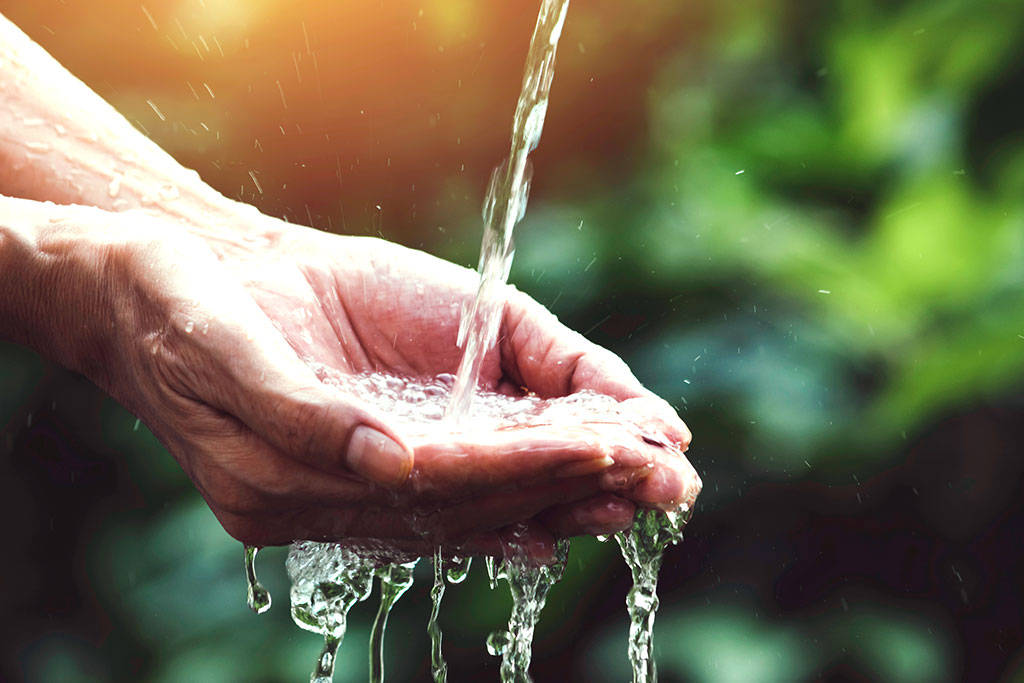
There are communities that thirst for clean water.
There are families that thirst for safety.
There are neighborhoods that thirst for equity.
There are souls that thirst for dignity.
When Jesus says, “I am thirsty,” he is not only identifying with private spiritual longing. He is standing in solidarity with every body made to thirst by unjust systems.
And here is the uncomfortable grace: he does not numb that thirst. He does not escape it. He endures it, names it, and transforms it.
The soldiers offer him sour wine. It is a small act in a vast injustice. It does not undo the crucifixion. But it matters.
Because in Matthew 25, Jesus will say, “I was thirsty and you gave me something to drink.” The thirsty Christ on the cross becomes the thirsty Christ in the world.
Our call, then, is twofold.
First we must tend the thirst within ourselves and within those entrusted to our care. To create spaces where people can say honestly: I am thirsty. I am longing. I am not okay. And to trust that such truth is not weakness but participation in Christ’s own vulnerability.
Second we must learn to notice where Christ is still thirsty in the world—and to respond.
To ask: Where is thirst created by injustice? Where are policies, practices, or prejudices leaving people parched? Where is the Body of Christ dehydrated by exclusion, racism, poverty, violence?
The cross teaches us that God is found not in the denial of thirst, but in the naming of it. And resurrection tells us that thirst is not the final word.
Just a few verses later, water will appear again—flowing from the pierced side of Christ, and beside a lakeshore the risen Jesus prepares breakfast for his friends.
Thirst does not end the story.
But neither does it get ignored.
So perhaps our prayer this day is simple:
Lord, show me my thirst.
Lord, show me where you thirst and give me courage to respond.
Because when we offer water—to a neighbor, to a stranger, to a wounded world—we are not simply performing charity. We are answering the cry of the crucified God.
“I am thirsty.”
May we hear it.
May we honor it.
May we help to quench it.
Amen.
 the minute monk
Leave a comment